SUBSCRIBE
Enter your Name and Email address to get
the newsletter delivered to your inbox.
Please include name of person that directed you to my online newsletter so I can thank them personally.
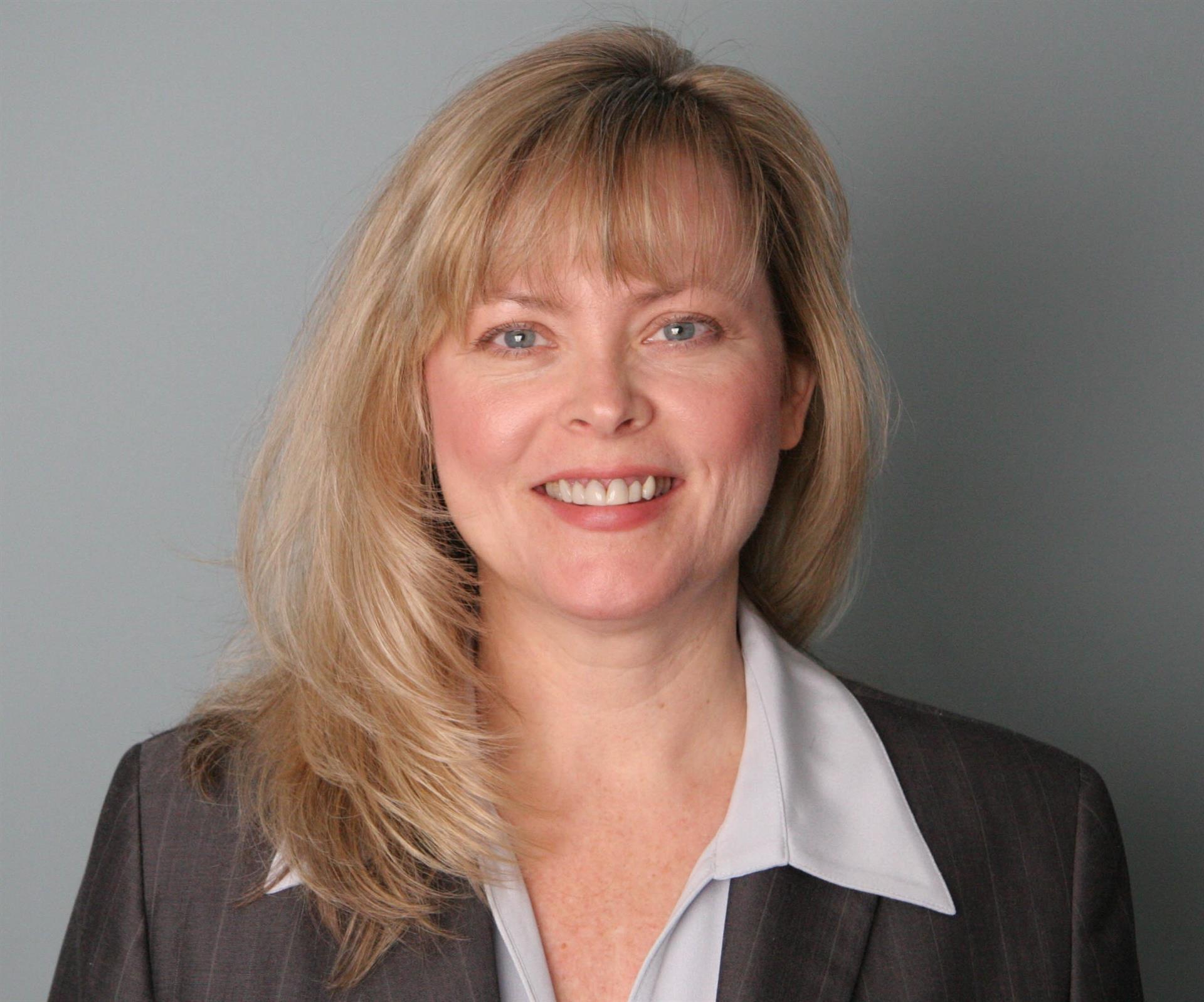
Dianne Williams Wildt, MBA
Certified Retirement Counselor®
Since 1983 in the financial services and investment industry
Retirement Pathways, Inc.
4500 Bowling Blvd., Suite 100
Louisville, KY 40207
Phone: 502-797-1258
Email: dianne@retirementpathways.com
Website: www.retirementpathways.com

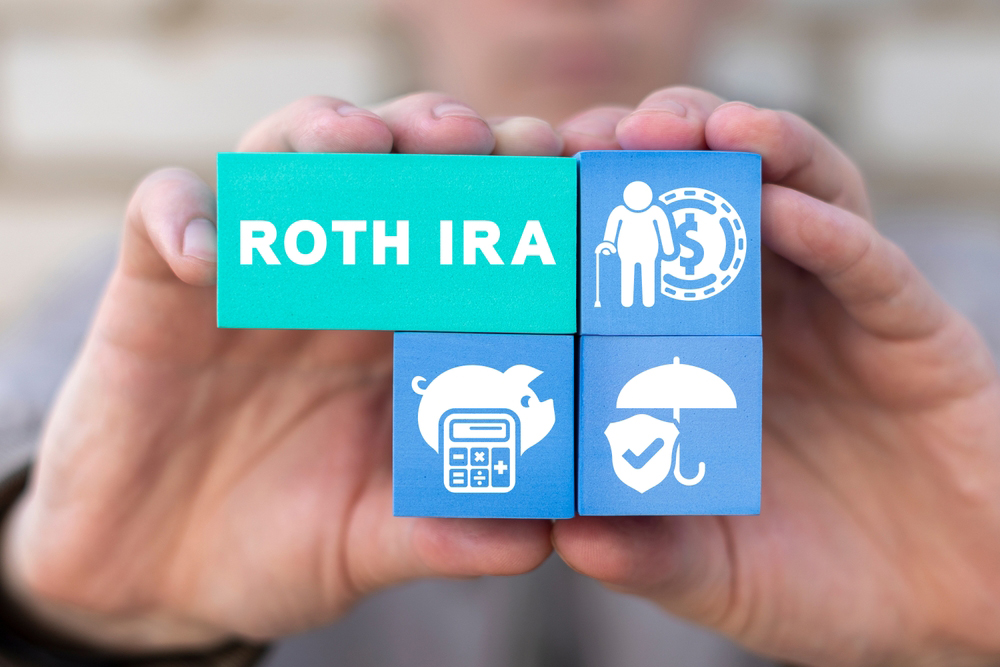
The One Big Beautiful Bill of 2025 (OBBBA) appears to make Roth conversions more attractive because of temporarily lowered federal tax brackets, expanded standard deductions, and additional deductions for seniors. However, planning for Roth conversions under OBBBA isn't simply a matter of transferring funds. You need to weigh the impact of the conversion on other tax considerations.
A multi-year conversion strategy gives you flexibility. By stretching your conversions over several years, you can assess your financial situation annually and adjust your strategy accordingly. If your income is exceptionally high one year, you can opt to convert less that year and more the following year when your income might be lower. Not only does this approach help manage your tax liability more effectively, but it also provides greater control over your future finances.
While Roth conversions under OBBBA offer significant opportunities for tax-free growth, the decision is no longer straightforward. The interplay of federal tax brackets, deduction phaseouts, Medicare surcharges, and state taxation creates a complex calculation. Consult your financial advisor to determine how a Roth conversion might impact your tax situation and to explore the best conversion strategy for your specific circumstances.
*Converting a traditional IRA to a Roth IRA is a taxable event. A Roth IRA offers tax-free withdrawals on taxable contributions. To qualify for the tax-free and penalty-free withdrawal of earnings, a Roth IRA must be in place for at least five tax years, and the distribution must occur after age 59 or due to death, disability, or a first-time home purchase (up to a $10,000 lifetime maximum). Roth IRA distributions may be subject to state taxes.
Enter your Name and Email address to get
the newsletter delivered to your inbox.
Please include name of person that directed you to my online newsletter so I can thank them personally.
Enter your Name, Email Address and a short message. We'll respond to you as soon as possible.
Investment advisory services offered through American Capital Management, Inc., a State Registered Investment Advisor. Retirement Pathways, Inc. is independent of American Capital Management, Inc.
Retirement Pathways, Inc. and LTM Marketing Specialists LLC are unrelated companies. This publication was prepared for the publication’s provider by LTM Client Marketing, an unrelated third party. Articles are not written or produced by the named representative.
The information and opinions contained in this web site are obtained from sources believed to be reliable, but their accuracy cannot be guaranteed. The publishers assume no responsibility for errors and omissions or for any damages resulting from the use of the published information. This web site is published with the understanding that it does not render legal, accounting, financial, or other professional advice. Whole or partial reproduction of this web site is forbidden without the written permission of the publisher.