SUBSCRIBE
Enter your Name and Email address to get
the newsletter delivered to your inbox.
Please include name of person that directed you to my online newsletter so I can thank them personally.
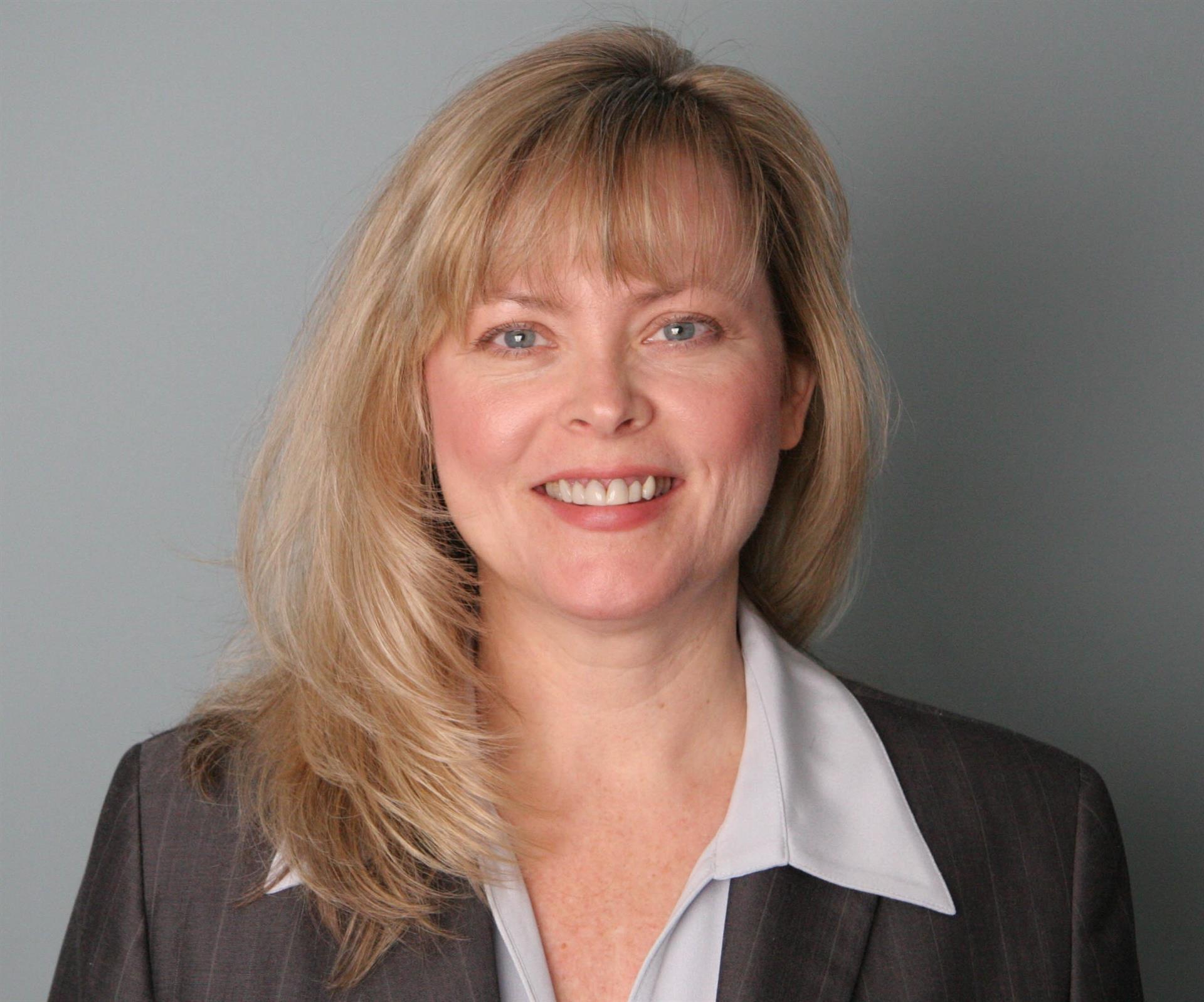
Dianne Williams Wildt, MBA
Certified Retirement Counselor®
Since 1983 in the financial services and investment industry
Retirement Pathways, Inc.
4500 Bowling Blvd., Suite 100
Louisville, KY 40207
Phone: 502-797-1258
Email: dianne@retirementpathways.com
Website: www.retirementpathways.com


Understanding the Required Minimum Distribution (RMD) rules and planning ahead for receiving distributions can help you strategize for the retirement lifestyle you want and minimize your tax burden.
Consider converting a traditional IRA to a Roth IRA. Roth IRAs do not have RMDs, and your money can continue to grow tax free. If you plan to retire earlier, like in your 60s, before you start collecting your pension or Social Security benefits, you might see a dip in income that could lower the tax burden of the conversion. Plan to withdraw from traditional tax-deferred retirement accounts first. You'll reduce later RMDs. This can be a tax-efficient strategy for those retiring before full retirement age. It may also help you save non-retirement assets for your heirs and them from the more complicated inherited-account RMD rules.
Start making Roth contributions to your employer's retirement savings plan. If you plan to divide your contributions between your traditional and Roth accounts, be aware that the 2026 annual contribution limits apply to your combined contributions to both accounts. Before switching contributions to a Roth account, review your current tax situation with your trusted financial professional. They can help you assess whether the future benefits of no RMDs outweigh the value of current tax benefits.
Choose to keep working past your RMD age. Some employer-sponsored retirement plans allow you to defer RMDs if you continue working. To qualify, you must not own 5% or more of the sponsoring employer. If your current employer permits, you might consider rolling over any balances in your former employer's plans to defer RMDs on those amounts. While postponing these RMDs and continuing to earn tax-deferred returns, you could still be taking RMDs from other accounts. Be sure to think about how deferring RMDs now could impact future RMDs.
Make qualified charitable distributions (QCD) from your account. A QCD allows individuals aged 70 or older to directly transfer up to $100,000 from their Individual Retirement Accounts (IRAs) to qualified charities each year. This strategy not only helps pursue your charitable goals but also offers significant tax benefits. Once you reach the required distribution age or older, QCDs can count toward fulfilling RMDs without increasing your taxable income.
Inherited Accounts: Most beneficiaries must take annual RMDs over the 10 years following the owner's death, with the account fully depleted by the end of the tenth year. If the owner dies before reaching their RMD age, beneficiaries may have more leeway in receiving withdrawals within the 10-year period.
*Converting a traditional IRA to a Roth IRA is a taxable event. A Roth IRA offers tax-free withdrawals on taxable contributions. To qualify for the tax-free and penalty-free withdrawal of earnings, a Roth IRA must be in place for at least five tax years, and the distribution must occur after age 59-1/2 or due to death, disability, or a first-time home purchase (up to a $ 10,000 lifetime maximum). Roth IRA distributions may be subject to state taxes.
Enter your Name and Email address to get
the newsletter delivered to your inbox.
Please include name of person that directed you to my online newsletter so I can thank them personally.
Enter your Name, Email Address and a short message. We'll respond to you as soon as possible.
Investment advisory services offered through American Capital Management, Inc., a State Registered Investment Advisor. Retirement Pathways, Inc. is independent of American Capital Management, Inc.
Retirement Pathways, Inc. and LTM Marketing Specialists LLC are unrelated companies. This publication was prepared for the publication’s provider by LTM Client Marketing, an unrelated third party. Articles are not written or produced by the named representative.
The information and opinions contained in this web site are obtained from sources believed to be reliable, but their accuracy cannot be guaranteed. The publishers assume no responsibility for errors and omissions or for any damages resulting from the use of the published information. This web site is published with the understanding that it does not render legal, accounting, financial, or other professional advice. Whole or partial reproduction of this web site is forbidden without the written permission of the publisher.