SUBSCRIBE
Enter your Name and Email address to get
the newsletter delivered to your inbox.
Please include name of person that directed you to my online newsletter so I can thank them personally.
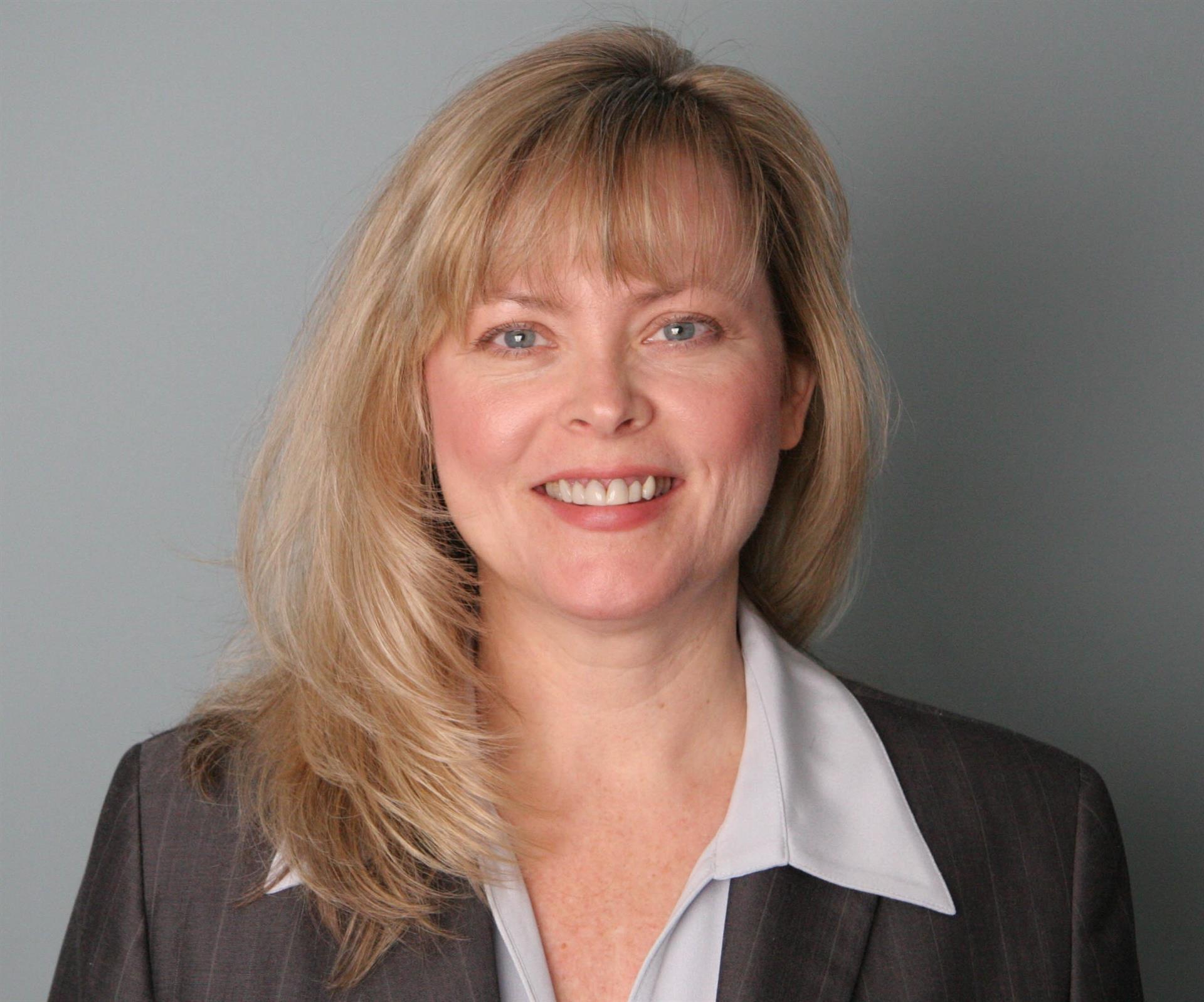
Dianne Williams Wildt, MBA
Certified Retirement Counselor®
Since 1983 in the financial services and investment industry
Retirement Pathways, Inc.
4500 Bowling Blvd., Suite 100
Louisville, KY 40207
Phone: 502-797-1258
Email: dianne@retirementpathways.com
Website: www.retirementpathways.com


A family limited partnership (FLP) is a business or holding company owned by two or more family members. It is designed to preserve a family's wealth and pass it from one generation to the next while reducing or eliminating gift and estate taxes. Assets held in the FLP also receive some protection from creditors and lawsuits.
Tax laws governing FLPs are complex. Families should consult a qualified tax professional, estate planning attorney, and financial professional before proceeding.
Enter your Name and Email address to get
the newsletter delivered to your inbox.
Please include name of person that directed you to my online newsletter so I can thank them personally.
Enter your Name, Email Address and a short message. We'll respond to you as soon as possible.
Investment advisory services offered through American Capital Management, Inc., a State Registered Investment Advisor. Retirement Pathways, Inc. is independent of American Capital Management, Inc.
Retirement Pathways, Inc. and LTM Marketing Specialists LLC are unrelated companies. This publication was prepared for the publication’s provider by LTM Client Marketing, an unrelated third party. Articles are not written or produced by the named representative.
The information and opinions contained in this web site are obtained from sources believed to be reliable, but their accuracy cannot be guaranteed. The publishers assume no responsibility for errors and omissions or for any damages resulting from the use of the published information. This web site is published with the understanding that it does not render legal, accounting, financial, or other professional advice. Whole or partial reproduction of this web site is forbidden without the written permission of the publisher.